新書推薦:

《
新金融战:数字货币与大国博弈
》
售價:HK$
96.8

《
亲爱的波伏瓦:跨越时空的女性对话
》
售價:HK$
74.8
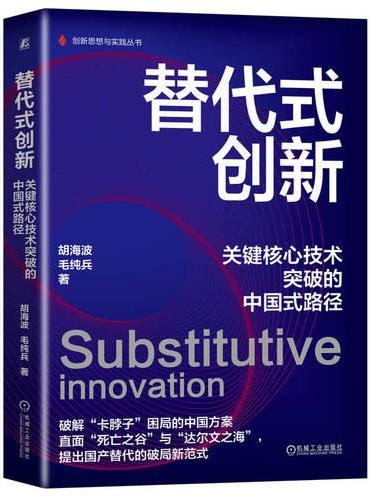
《
替代式创新:关键核心技术突破的中国式路径
》
售價:HK$
97.9

《
阴郁之人的晴朗之地
》
售價:HK$
68.2

《
金融陷阱
》
售價:HK$
75.9

《
豆包AI从会用到精通
》
售價:HK$
63.8

《
HR必备法律工具书:企业用工风险防范实务操作与案例精解(第二版)
》
售價:HK$
118.8

《
威尔·杜兰特:最伟大的思想
》
售價:HK$
52.8
|
| 內容簡介: |
英语教师文化领导力评价的循证性研究意义深远。本书根据教学实践中行为科学、社会互动、伦理匹配、道德认知、文化教育的基本原理,通过深度访谈和文本数据调查,考察英语教师文化领导力因素的深刻内涵以及英语教师文化个性特征在知识与符号教育过程中对学生的“三观”影响,构建了英语教师文化领导力“双柱型六维度”的发展性评价内容、评价模型和评价指标体系。本书可以对英语教师文化领导力发展、英语教育文化引领制度保障和英语教育管理主体提升进行服务。
本书可供大学英语教师、中学英语教师及英语教育管理人员使用。
|
| 目錄:
|
Preface to the Book
1 Introduction
1.1 Purpose and Significance
1.1.1 Cause Trace
1.1.2 Significance
1.2 Content and Hypothesis
1.2.1 Content
1.2.2 Task
1.3 Research Method
2 Research Background
2.1 Evidence-based Education
2.1.1 Studies Abroad
2.1.2 Studies at Home
2.2 Ethical Leadership and Assessment
2.2.1 Ethical Leadership
2.2.2 Measurement Scale
2.3 Teacher Leadership Evaluation
2.3.1 Teacher Leadership
2.3.2 Evaluation Mode
2.4 Research Reflection
3 Central Concept
3.1 Central Concept
3.1.1 Leadership and Teacher Leadership
3.1.2 Cultural Leadership of English Teachers
3.2 Theoretical Support
3.2.1 Social Interaction and Parallel Leadership
3.2.2 Behavioral Science and Ethical Matching
3.2.3 Moral Cognition and Cultural Pedagogy
3.2.4 Educational and Developmental Evaluation
4 Evaluation Content Analysis
4.1 Connotations and Relations
4.1.1 Connotation of Cultural Leadership
4.1.2 Growth of English Teachers
4.1.3 Cultural Leadership and Personality
4.2 British and American Cultural Personality Traits
4.2.1 Core values
4.2.2 Way of Thinking
4.2.3 Cross-cultural Literacy
4.3 In-depth Interview
4.3.1 Interview Object Selection
4.3.2 Interview Implementation
4.3.3 Interview Reliability and Validity
4.3.4 Text Data Analysis
5 Scale Compilation and Verification
5.1 Scale Making Principle
5.1.1 Fairness and Efficiency
5.1.2 Operability
5.1.3 Deve[opmentality
5.2 Scale Compilation
5.2.1 Scale Formation
5.2.2 Initial Scale Testing
5.2.3 Initial Scale Modification
5.3 Exploration and Verification of the Scale
5.3.1 Scale Factor Analysis
5.3.2 Reliability Analysis
5.3.3 ETCL Scale Item Stability Evaluation
5.3.4 ETCL Status Quo Analysis
6 Evaluation Index System Establishment
6.1 Urgency of Establishment
6.1.1 Bias of Teacher Evaluation Mechanism
6.1.2 Strength of Knowledge Education
6.1.3 Multicuhural Symbiosis Transference
6.2 ETOL Evaluation Index System
6.2.1 Evaluation Index Weight
6.2.2 ETCL Evaluation Model Establishment
7 Elevation Strategy
7.1 Theoretical Guidance
7.1.1 Clear Identification
7.1.2 Institutional Guarantee
7.2 Career Induction
7.2.1 Pre-service Acquisition
7.2.2 In-service Training
7.2.3 Mutual Observation
7.3 Subject Elevation
7.3.1 Education Administrator
7.3.2 Principal Leadership
7.3.3 Teacher Leader
8 Conclusion
8.1 Problem Solution
8.2 Theory Enrichment
8.3 Prospect
References
Appendices
Appendix Ⅰ:ETCL Evaluation Content
Appendix Ⅱ:ETCL Evaluation Scale
|
|

 購物車/收銀台(0) | 在線留言板
| 付款方式
| 運費計算
| 聯絡我們
| 幫助中心 |
加入書簽
購物車/收銀台(0) | 在線留言板
| 付款方式
| 運費計算
| 聯絡我們
| 幫助中心 |
加入書簽 HOME
HOME 新書上架
新書上架 暢銷書架
暢銷書架


