新書推薦:

《
柏拉图《理想国》指南(想读《理想国》,一直看不懂?这本书就是你的哲学通关攻略)
》
售價:HK$
87.8

《
你的代谢还好吗:控制“五高”饮食运动法
》
售價:HK$
54.8

《
战国史料编年辑证(全二册)(杨宽著作集)
》
售價:HK$
272.8

《
流动的世界想象:中国当代电影与视觉文化
》
售價:HK$
74.8
《
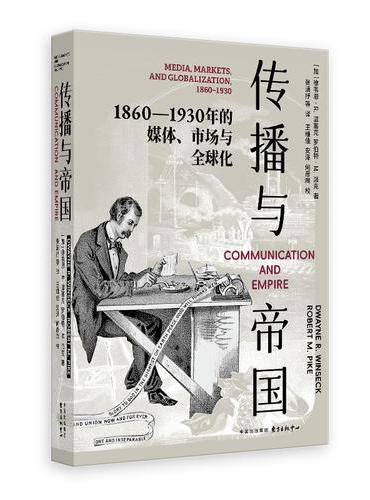
传播与帝国:1860—1930 年的媒体、市场与全球化(跨洲史料详尽呈现全球通信全景,资本视角重新定
》
售價:HK$
98.8

《
不再为他人而活:接纳自我的阿德勒心理学
》
售價:HK$
64.9

《
马可波罗和他的世界 蒙古世纪全球史陆海书系
》
售價:HK$
85.8

《
更生:中国文明与人文精神重塑
》
售價:HK$
162.8
|
| 內容簡介: |
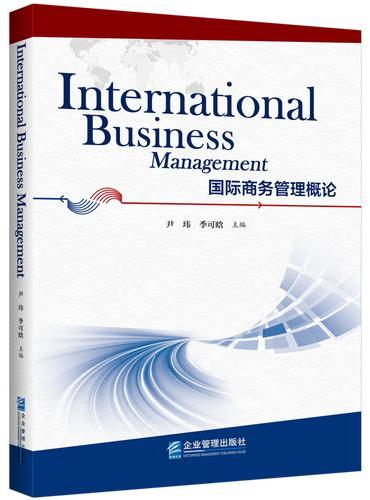
第一模块从商业全球化、文化全球化与管理全球化导入,涉及全球管理者的环境评估、国际商业伦理、共享价值的创造和可持续发展等内容(1—2章);
第二模块“全球企业的跨文化管理”帮助学生理解全球管理的文化情境、跨文化沟通管理、跨文化谈判与决策制定(3—5章);
第三模块“国际营销与品牌”重点介绍全球市场营销和品牌运营的理论、模型、案例与策略(6—7章);
第四模块“出海与战略联盟”用大量案例分析跨国企业“出海”的动因、准入模式与全球战略联盟的方式(8—10章)。
作为全国工商管理专业学位研究生在线教育平台和国家研究生教育智慧教育平台遴选的优质课程,中国海洋大学“国际商务管理”课程先后清华在线学堂(国内和国际版)、智慧树平台和外研社Unipus三大平台上线。线上部分的学习资源作为教材内容的有力支撑,帮助学生更好地进行混合式学习和课堂翻转。
|
| 關於作者: |
|
尹玮,“国际商务管理”课程团队负责人和主讲教师,中国海洋大学外国语学院副教授,硕士生导师。毕业于英国华威大学,曾多次获得全国外语教学比赛一等奖。主讲山东省一流课程和研究生优质课程各一门,是中国海洋大学教师发展促进团队专家,荣获校东升课程教学卓越奖两次,校级教学成果奖三次。参与教育部重大课题一项,主持省部级和校级教学改革项目二十多项,发表教学论文十余篇,主编教材四部 季可晗,自由译者。毕业于中国海洋大学,翻译硕士。目前从事教育服务行业,具有丰富的课程设计经验。
|
| 目錄:
|
Chapter 1 Globalization and Multinational Corporations
Learning Objectives 1
Opening Case 1
Understanding Globalization 2
1. Introduction of Globalization 3
2. Global Environment and Risks 6
3. International Institutions and Regional Trading Blocs 10
4. Anti-Globalization 13
Correlation between Globalization and Corporations 15
1. Corporations in Globalization 15
2. Benefits of Globalization for Corporations 15
3. Challenges of Globalization for Corporations 16
4. Interdependence of Corporations 17
5. China’s Role in Globalization 18
Conclusion 20
Chapter 2 CSR, CSV and Sustainability
Learning Objectives 21
Opening Case 21
Stakeholder Theory 23
1. Introduction of Stakeholder Theory 23
2. Types of Stakeholders 24
Corporate Social Responsibility 30
1.Introduction of Corporate Social Responsibility 30
2. What CSR Means to Business 30
3. The Purposes of Business Activity 31
4. Types of Corporate Social Responsibility 33
Creating Shared Value 42
1. Introduction of Creating Shared Value 42
2. From CSR to CSV 42
3. How to Create Shared Value 43
Sustainability Strategies 46
1. Understanding of Sustainability Strategies 46
2. The United Nations Sustainable Development Goals 47
3. Multinational Enterprises’ Environmental Regulation 51
4. Environmental, Social, and Corporate Governance (ESG) 54
5. Differences among CSR, CSV and Sustainability 59
Conclusion 60
Chapter 3 Culture and Management
Learning Objectives 61
Opening Case 62
Understanding Culture 64
1. Culture and Its Characteristics 64
2. Culture Influence and Stereotypes 68
3. Culture Diffusion and Culture Shock 72
4. Culture Gap/Conflicts and Culture Mutual Learning 75
Hofstede’s Cultural Dimensions Theory 78
1. Individualism vs. Collectivism 79
2. Uncertainty Avoidance 80
3. Power Distance 81
4. Masculinity vs. Femininity 82
5. Short-and Long-Term Orientation 83
6. Indulgence vs. Self-Restraint 84
Societal Culture and Corporate Culture 86
1. Societal Culture 87
2. Corporate Culture 89
3. Societal Culture vs. Corporate Culture 90
The Influence of Culture on Decision Making 91
1. Cultural Variables in Decision Making Process 91
2. Benefits of Multi-Cultural Team 92
3. Culture’s Negative Effects on Management 93
4. The Requirements for Multinational Managers 95
Conclusion 98
Chapter 4 Cross-Cultural Communication
Learning Objectives 99
Opening Case 99
Understanding Communication Process 100
1. Communication Process 101
2. Cultural Noises in Intercultural Communication 103
Trust in Communication 104
1. Importance of Trust 104
2. Ways of Cultivating Trust 106
Cultural Variables in the Communication Process 108
1. Verbal Variables in Communication 108
2. Non-Verbal Variables in Communication 110
3. Other Variables in Communication 113
Context and Channels of Communication 114
1. High-Context Culture 114
2. Low-Context Culture 115
3. Communication Channels 116
Managing Cross-Cultural Communication 117
1. Developing Cultural Sensitivity 118
2. Careful Encoding 118
3. Selective Transmission 119
4. Careful Decoding of Feedback 120
5. Suggestions for Managers 120
Conclusion 124
Chapter 5 Cross-Cultural Negotiation
Learning Objectives 125
Opening Case 125
Understanding Negotiation 127
1. Introduction 127
2. Global Managers in International Negotiations 128
Negotiation Process 129
1. Preparation 130
2. Relationship Building 137
3. Exchange of Task-Related Information 139
4. Persuasion 142
5. Concessions and Agreements 144
Negotiation Styles and Management 146
1. Five Negotiation Styles 146
2. Managing Negotiation 149
Conclusion 152
Chapter 6 International Marketing Strategies
Learning Objectives 153
Opening Case 153
1.Introduction of International Marketing 156
2.Key Benefits of International Marketing 156
3.Challenges in International Marketing 158
STP Marketing Strategy 159
1. Introduction of STP Marketing Strategy 159
2. Segmentation 160
3. Targeting 167
4. Positioning 170
5. Case Study for STP Marketing Strategy 175
4Ps Marketing Strategy 178
1. Understanding the 4Ps Marketing Strategy 178
2. International Product Strategy 180
3. International Pricing Strategy 187
4. International Placement Strategy 195
5. International Promotion Strategy 202
Conclusion 210
Chapter 7 International Branding Strategies
Learning Objectives 211
Opening Case 211
The Basic Concepts of Brand 212
1. Understanding of Brand 213
2. Brand Loyalty 214
Brand Strategies 219
1. Single Brand Strategy 219
2. Multi-Brand Strategy 221
3. Single Brand Strategy vs. Multi-Brand Strategy 224
Brand Equity and Brand-Related Models 226
1. Brand Equity 226
2. David Aaker’s Brand Equity Model 227
3. MDS Framework 237
Brand Collaboration 239
1. Cooperative Methods of Brand Collaboration 240
2. Cooperative Partners of Brand Collaboration 247
Conclusion 250
Chapter 8 Reasons and Ways of Going Global
Learning Objectives 251
Opening Case 251
Reasons for Going Global 253
1. Reactive Reasons 253
2. Proactive Reasons 255
Ways of Globalization 261
1. Gradual Globalization 261
2. Born-Global 266
3. Gradual Globalization vs. Born-Global 271
Analysis Models of Going Global 272
1. OLI Model 273
2. VRIO Framework 284
Conclusion 292
Chapter 9 Entry Modes of Going Global
Learning Objectives 293
Opening Case 293
Introduction of Entry Modes 294
1. Understanding of Entry Modes 295
2. Classification of Entry Modes 295
Equity Entry Modes Manifested by Foreign Direct Investment 297
1. Understanding of Foreign Direct Investment 297
2. Main Equity Entry Modes Manifested by Foreign Direct Investment 298
3. Benefits of Foreign Direct Investment 299
FDI: Greenfield and Brownfield Investment 300
1. Greenfield Investment 300
2. Brownfield Investment 303
FDI: Merger and Acquisition 306
1. Understanding of Merger and Acquisition 306
2. Horizontal Merger and Acquisition 309
3. Vertical Merger and Acquisition 314
4. Concentric Merger and Acquisition 316
5. Conglomerate Merger and Acquisition 318
FDI: Joint Ventures 321
1. Understanding of Joint Ventures 322
2. Advantages and Disadvantages of Joint Ventures 322
3. Risks of Joint Ventures 323
Non-Equity Entry Modes 326
1. Exporting 327
2. Licensing 328
3. Franchising 330
4. Turnkey Operations 332
5. Offshore Outsourcing 333
Conclusion 336
Chapter 10 Strategy Alliance of Going Global
Learning Objectives 337
Opening Case 337
Introduction of Strategic Alliances 340
1. Strategic Alliances 340
2. Advantages and Disadvantages of Strategic Alliances 341
3. Global Strategic Alliances 342
Equity Strategic Alliances 343
1. Understanding of Equity Strategic Alliances 343
2. Classification of Equity Strategic Alliances 343
3. Limitations of Equity Strategic Alliances 346
Non-Equity Alliances 347
1. Understanding of Non-Equity Strategic Alliances 348
2. Classification of Non-Equity Strategic Alliances 348
3. Limitations of Non-Equity Strategic Alliances 353
Equity Alliances vs. Non-Equity Alliances 354
1. Equity Alliances and Non-Equity Alliances 354
2. Suggestions for Managers 355
Influential Factors of Strategic Alliances 356
1. Influential Factors 356
2. Relationships and Compatibility 357
3. Harmony and Organizational Culture 358
4. Interaction between Partners 358
5. Government Policies 358
Conclusion 362
|
| 內容試閱:
|
在这个日新月异的时代,商业世界的版图正以前所未有的速度重构,全球化、数字化转型、可持续发展等议题交织成网,企业不再仅仅追求短期的经济利益,更加注重长期的社会价值创造和可持续发展。商业环境瞬息万变,技术革新层出不穷,市场竞争日益激烈,对企业的战略思维、运营管理、创新能力提出了更高要求。作为培养未来商业领袖的重要摇篮,MBA(工商管理硕士)教育承载着塑造时代精英、引领商业变革的使命,面临着前所未有的挑战与机遇,它不仅要传授传统的商业管理知识,如财务管理、市场营销、运营管理等,更要培养学生的创新思维、全球视野、领导力,以及解决复杂问题的能力。
基于这样的时代需求,我们精心编撰了这套MBA核心课程系列教材,旨在为广大学子搭建起一座通往成功彼岸的坚实桥梁,让他们在知识的海洋中遨游,在实践的田野上耕耘,最终成长为能够驾驭复杂商业环境、引领行业创新的杰出领导者。
本系列教材紧扣 MBA 核心课程的要求,融合了现代管理理论与实践,将商业智慧的要素逐一呈现。本系列教材共十二本,涵盖了MBA教育的核心领域,从基础理论到前沿实践,从微观管理到宏观战略,形成了一个系统完整、逻辑严密的知识框架。本系列教材涵盖了MBA教育的核心课程,包括“管理经济学”“组织行为学”“数据、模型与决策”“运营管理”“会计学”“营销管理”“公司理财”“战 略管理”“创新创业管理”“管理信息系统——大数据赋能与模式创新”“国际商务管理”“人力资源管理与开发”。这些课程不仅传授基础理论,还强调理论与实践的结合,旨在培养具有国际视野和本土洞察力的商业领袖。
在教材内容设计上,我们注重知识、能力和素养的平衡,学术严谨性和实践相关 性的平衡,以及中国根基和全球视野的平衡。每一本教材紧密围绕 MBA 教育的核心目标,聚焦于特定的管理学领域,深入剖析该领域的核心概念、框架和策略。同时,本系列教材既注重理论深度,又强调实践应用,每个主题不仅提供了深入浅出的理论背景,同时搭配了丰富的实例分析,让学习者能够触摸到理论的脉搏,理解其在现实商业环境中的应用。通过这种方式,我们希望学习者在解决实际问题时,能够运用书中提供的理念与工具,进行有效的思考与行动,力求让学习者在学习过程中实现知识与能力的双重提升,并通过最前沿的知识和实践案例,帮助学习者构建起一套完整的商业知识结构。
本系列教材不仅适用于MBA学生,也适合于EMBA(高级管理人员工商管理硕士)、EDP(高级经理人发展课程)学员以及广大对商业管理感兴趣的专业人士。我们相信,无论是正在规划商业生涯的初学者,还是在商业领域摸爬滚打多年的资深人士,都能在这一系列教材中找到值得汲取的养分。我们建议学习者按照教材的逻辑顺序规划学习,同时结合线上资源和实际案例,不断深化理解和应用。教师在使用本套教材时,可以根据学生的具体情况和需求,灵活调整教学方法和进度。
同时,对于使用这套教材的教师和学生,我们期待你们的宝贵意见,以帮助我们不断改进,更好地服务于教育事业。我们也期待与广大师生、业界精英及社会各界人士携手合作,共同推动 MBA 教育事业的发展,为中国乃至全球的商业繁荣贡献智慧和力量。我们深知,MBA教育是一场没有终点的旅程,它要求我们不断探索、勇于创新,以适应快速变化的商业环境。因此,本系列教材的出版只是一个新的起点,我们将持续关注商业领域的新动态、新趋势,不断更新和完善教材内容,确保学生始终站在时代的前沿。
我们相信,通过不懈努力,这套MBA核心课程系列教材将成为培养未来商业领袖的重要力量,助力每一位学子在商海中乘风破浪,智驭未来。
最后,衷心感谢所有参与本套教材编写、审校、出版的专家、学者和工作人员,是你们的辛勤付出和卓越贡献,让这份承载着梦想与希望的成果得以面世。愿每一位读者都能从中汲取智慧与力量,开启属于自己的辉煌篇章!
是为序。
|
|

 購物車/收銀台(0) | 在線留言板
| 付款方式
| 運費計算
| 聯絡我們
| 幫助中心 |
加入書簽
購物車/收銀台(0) | 在線留言板
| 付款方式
| 運費計算
| 聯絡我們
| 幫助中心 |
加入書簽 HOME
HOME 新書上架
新書上架 暢銷書架
暢銷書架